
Montgomery County City Directory Holdings
The confirmed printed-directory starting point is narrower than many family stories suggest. The Texas State Library and Archives Commission city-directory list names Conroe volumes for 1984, 1988, 1990, and 1992. Those are catalog-confirmed years, not proof that every intervening issue was published or still exists. Search the statewide list for Conroe, preserve the listed year and format, and ask about a missing year before treating a gap as evidence that a person was absent.
| Collection | Years | Where Held | Access |
|---|---|---|---|
| Conroe city-directory holdings | 1984, 1988, 1990, 1992 | Texas State Library and Archives Commission | Catalog-confirmed volumes; ask about format and lending |
| Genealogy and local-history materials | Dates vary | MCMLS Central Library, Conroe | Contact or visit for shelf, microfilm, and staff help |
| Conroe Courier and local items | 1870s through 1940s facets shown | Portal to Texas History, MCMLS partner collection | Online item search and image review |
| County deed, tax, probate, and marriage microfilm | Beginning in 1838 for several series | TSLAC guide and Sam Houston State University route | Repository and microfilm access conditions apply |
Use the library, archive, and microfilm channels together. A directory supplies a dated lead. Older ownership or family facts may instead appear in tax rolls, deeds, probate minutes, or marriage records. Note: No inspected source established a complete countywide run or a searchable reverse-directory series.
Montgomery County City Directory Shelf Help
The Montgomery County Memorial Library System keeps its Genealogy & Local History service at the Central Library, 104 I-45 North in Conroe. Its partner information lists the room phone as 936-522-2138 and the email as LibraryGenealogy@mctx.org. The local-history room began in 1976. A 2026 State Library profile describes roughly 40,000 maps, records, books, and rare or out-of-print materials in the current center.
Ask for exact catalog terms, local city-directory years, reverse directories, yearbooks, local newspapers, vertical files, maps, and relevant microfilm. Confirm hours and access rules before making a trip. The collection staff can point to a source or call number, but no research supports a claim that they provide private contact information for living people.
The same profile describes about 5,000 square feet of preservation space and equipment for patrons to digitize VHS, 8mm film, slides, negatives, cassette tapes, and records when they bring storage media. That service can preserve a privately held family photograph, oral-history tape, or address document. It does not publish the material or transform it into a public Montgomery County city directory entry. Separate a private family source from a library catalog record, then note who created it and when.
The Texas State Library genealogy page directs Montgomery County city directory researchers toward city directories, county microfilm, and local research help.
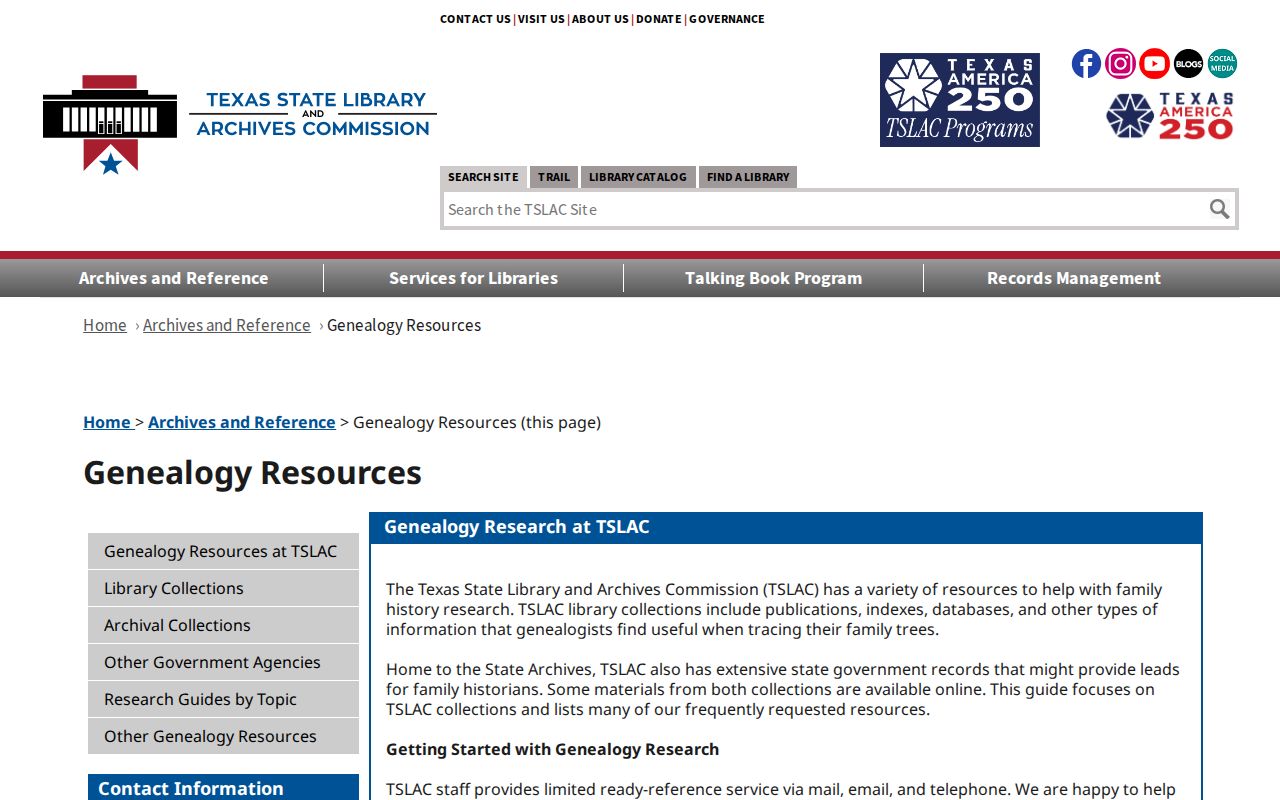
The resource points researchers toward city directories, county microfilm, and local research assistance rather than promising one universal directory database.
Montgomery County City Directory Clues Online
The MCMLS partner collection at the Portal to Texas History is a useful bridge when the needed year falls outside the four confirmed Conroe books. At inspection, it showed 584 partner items, including 562 Conroe Courier items in its newspaper grouping, plus photographs, a yearbook, and other Texas-history material. Its visible date facets reached from the 1870s into the 1940s.
Search a surname, street, business, school, church, cemetery, or a date window. Review the scan itself after an OCR hit because columned or damaged newspaper type can miss names. Save the item title, creator, date, collection, page or image number, rights statement, and stable item URL. A metadata result is a lead, not a verified household record.
The Portal partner page displays the digitized MCMLS material available for this Montgomery County city directory companion search.
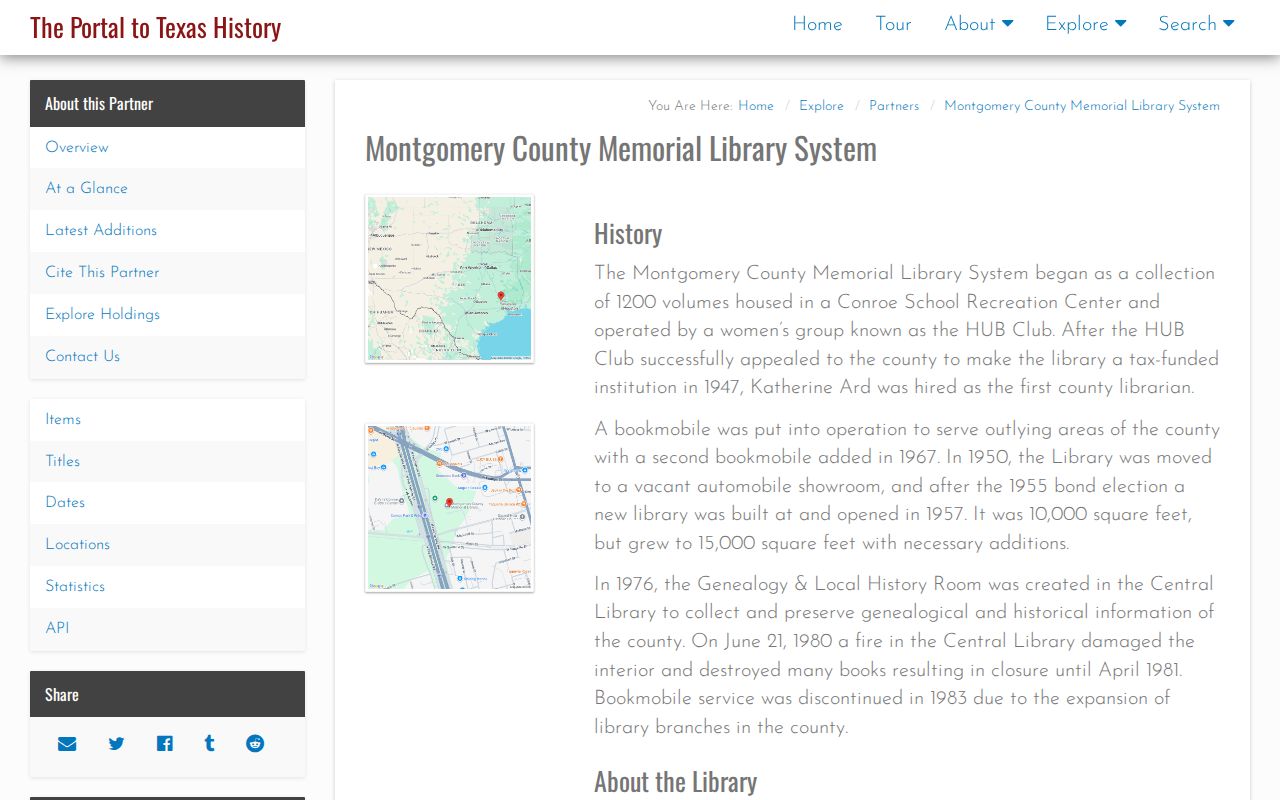
Digitized newspapers and images can fill a date gap, while the printed-directory volume remains the source to inspect for its own listing and abbreviations.
Reading Montgomery County City Directory Entries
No inspected source supplied a scanned local entry or an abbreviation key from the 1984, 1988, 1990, or 1992 Conroe volumes. That gap matters. Do not invent a local name, address, publisher, call number, or symbol meaning. The inventory below is a generic reading checklist only. Confirm each field and each abbreviation against the actual Montgomery County city directory volume before recording it as local evidence.
| Name | Check surname and given name, then copy spelling exactly as printed. |
|---|---|
| Household marker | A standard directory may identify a spouse, widow, or another household connection. Confirm the book's notation. |
| Address | Record the house number, street spelling, suffix, unit detail, and printed city label. |
| Work or telephone detail | Some directories include an occupation, affiliation, or telephone. These fields were not verified in a Conroe sample. |
| Owner or boarder notation | Some volumes use these marks. Their local presence and meaning require inspection of the book. |
- Criss-cross directory
- A directory arranged by address or street rather than by surname. Its existence for a requested local year must be confirmed with the holder.
- Householder index
- An index that organizes listings around the listed household. It can simplify a surname search, but it is not a census of everyone at an address.
- Abbreviation key
- The volume's own explanation of marks and shortened words. Photograph or transcribe it before interpreting a listing.
Montgomery County Records Before Directories
For an address that predates the confirmed Conroe books, begin with the record type that fits the question. The TSLAC Montgomery County microfilm guide lists deed records from 1838 to 1887, tax rolls from 1838 to 1910, marriage records from 1838 to 1916, probate minutes from 1838 to 1906, and civil minutes beginning in 1839. Direct and reverse deed indexes are identified on reels 1006024 and 1006025.
These are retrieval paths, not a claim that every reel is online. Ask the holding library or repository about access to a particular reel, image, or volume. For a household question, pair a dated deed or tax entry with a newspaper, probate item, marriage record, or directory listing. Each source has its own date and jurisdiction, especially outside incorporated Conroe.
Trace Montgomery County City Directory Households
A city directory places a person or household near its publication date, not at a precise move-in date. Start with the first confirmed directory year, then work outward through later books and sources between them. For the household layer, use census material where available, but retain the directory's own year and the census year as separate dates. The historical collections are clues to test, not proof of current occupancy or legal title.
- Normalize the surname, street spelling, direction, suffix, unit detail, city label, and any lot or subdivision wording used in the target year.
- Check the four confirmed Conroe directory years, then ask MCMLS or TSLAC about additional volumes, a reverse directory, clipping files, or interlibrary loan.
- Search the Portal collection for the name, address, street, business, and spelling variants, saving the item-level source information.
- Pair the dated listing with the appropriate census interval and with deed, tax, probate, marriage, newspaper, or obituary evidence.
- Record a negative result plainly, such as no cataloged directory year or no readable OCR hit, instead of treating absence as proof.
A person may have moved, used a business or mailing address, been missed, or appeared under a variant name. That is why a single entry should lead to a second, independent record. For later address-keyed property evidence, the Montgomery County street address directory follows the modern parcel and record trail.
Montgomery County Directory Gaps and Courthouses
Montgomery County's record geography changed before the confirmed Conroe city-directory years. The county seat moved from Montgomery to Conroe after the 1889 election. Isaac Conroe's home served temporarily before a courthouse followed in 1891. A 1933 fire gutted the upstairs courtroom, but local preservation material says citizens saved records; repairs followed in 1934 and the Art Deco courthouse was built in 1936.
- 1837: Montgomery County was created from the Washington municipality.
- 1889: An election moved the county seat from Montgomery to Conroe.
- 1933-1934: The upstairs courtroom fire was followed by saved records and repairs.
- 1936: The Art Deco courthouse was built during the oil boom.
That history explains why useful material can sit in county volumes, microfilm, library shelves, and local historical collections rather than in a continuous directory series. It does not establish that a particular directory or person record was destroyed. Keep the custodian, title, year, and reel or volume reference with every note. Note: A courthouse event is context for a records search, not proof that a specific household file was lost.
Montgomery County City Directory Map Context
For historic Conroe addresses, the Library of Congress has a 1923 Sanborn set with seven sheets and a 1938 to March 1943 set with nine sheets. A sheet can show a building footprint, construction, number of stories, nearby rail or water features, and labels such as store, residence, garage, school, or church. Find the intersection first, record the edition and sheet, then compare the map with a dated directory or newspaper result.
Sanborn material provides block context, not an occupant name. It can help locate a vanished corner or explain a numbered address, but a named person still needs support from a directory, deed, tax roll, newspaper, or another dated source. That restraint keeps a Montgomery County city directory search tied to what each record actually says.
The TSLAC city-directory holdings list identifies the confirmed Conroe years used as the historical starting point.
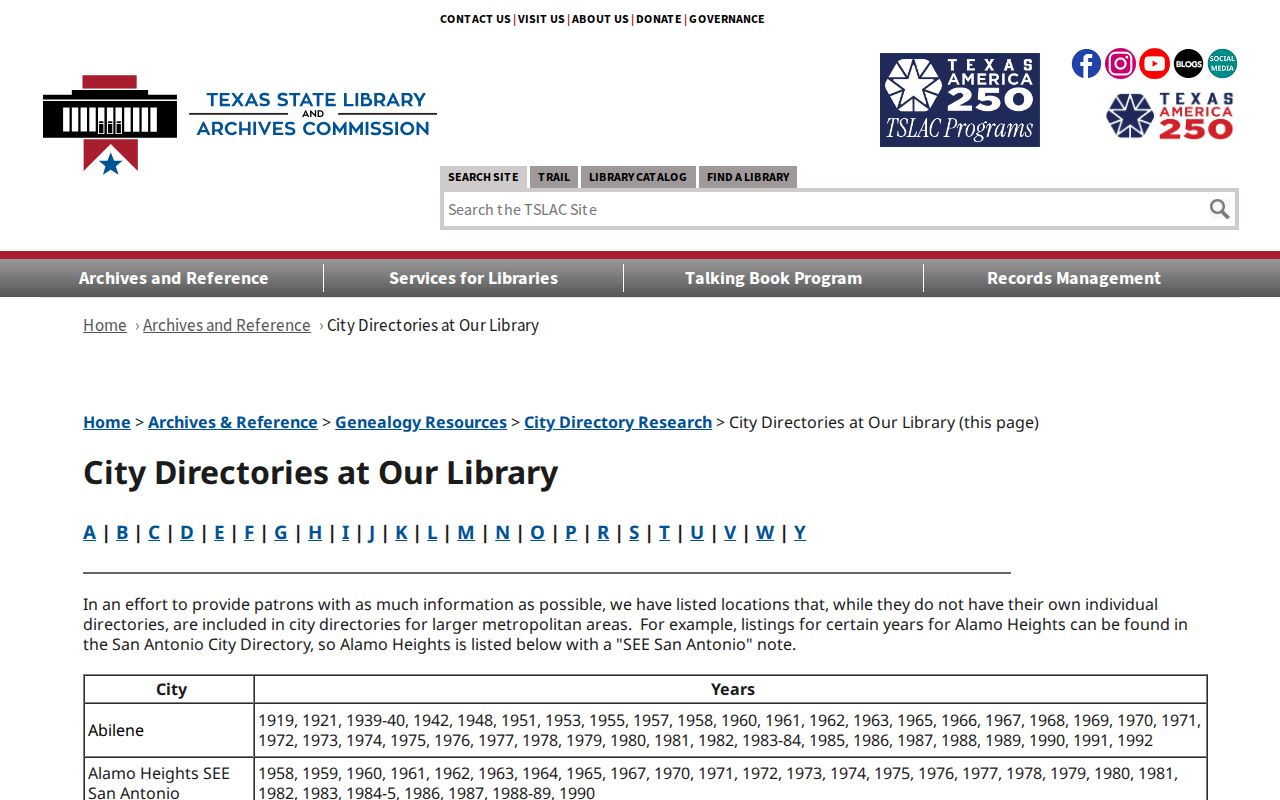
The holdings display supports a year-by-year request and makes the unlisted intervals visible rather than assumed.